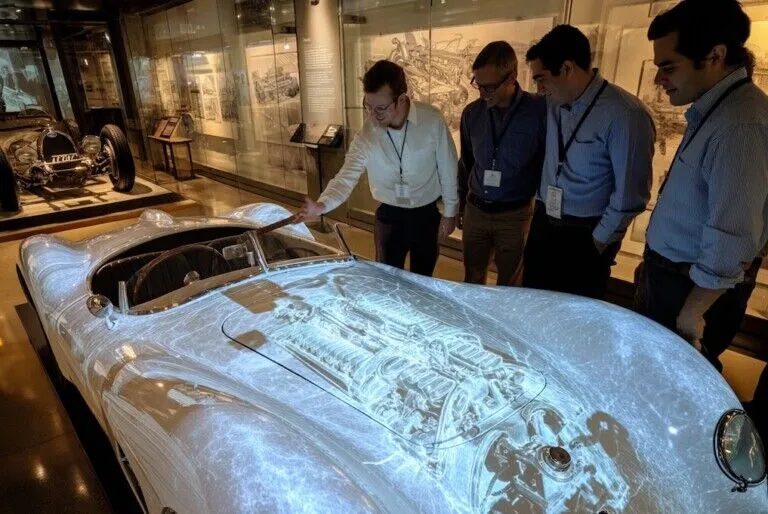
Museums have long served as cultural anchors, repositories of our collective past, and beacons guiding our shared future. Yet as society evolves and audiences become ever more tech-savvy, museums face new challenges that extend beyond artifacts.
From inclusive design to sustainability, a range of emerging topics now shape how curators and exhibit designers plan, execute, and maintain their projects.
1. Visitor-centered design
Why it matters
The collection, interpretive purpose and audience should guide the design. Physical objects, labels, tactile elements, human interpretation and digital media each have useful roles. The task is to choose the right combination for the story and the people encountering it.
Practical steps
- Layered interpretation: offer different depths, languages or media where they help visitors engage with the subject. Static and dynamic interpretation can work together.
- Useful feedback: choose observations, surveys or interaction measures that answer a defined question. Dwell time alone does not establish understanding, satisfaction or emotion.
2. Accessibility and inclusivity
Why it matters
Ensuring every visitor feels seen, heard, and welcomed is more than a regulatory requirement; it's a core responsibility.
Practical steps
- Physical accessibility: Incorporate clear signage and adjustable-height interactive displays to accommodate visitors with mobility challenges, and a guidance system for visually impaired visitors.
- Sensory considerations: Offer sign language interpretation, braille text, and touch-friendly exhibits with feedback, ideally both audible and tactile.
- Digital inclusion: Provide accessible resources, such as audio-described or captioned video tours, for disabled audiences.
3. Sustainable practices
Why it matters
Museums are custodians of cultural artifacts and our planet's future. By integrating sustainability into their day-to-day operations and exhibit design, museums can set a powerful example of environmental stewardship.
Practical steps
- Energy management: select equipment and operating states for the actual load, readiness requirements and use pattern, then measure the result.
- Material choices: consider both digital and physical interpretation over their expected life, including updating, maintenance and accessibility.
4. Embracing technology thoughtfully
Why it matters
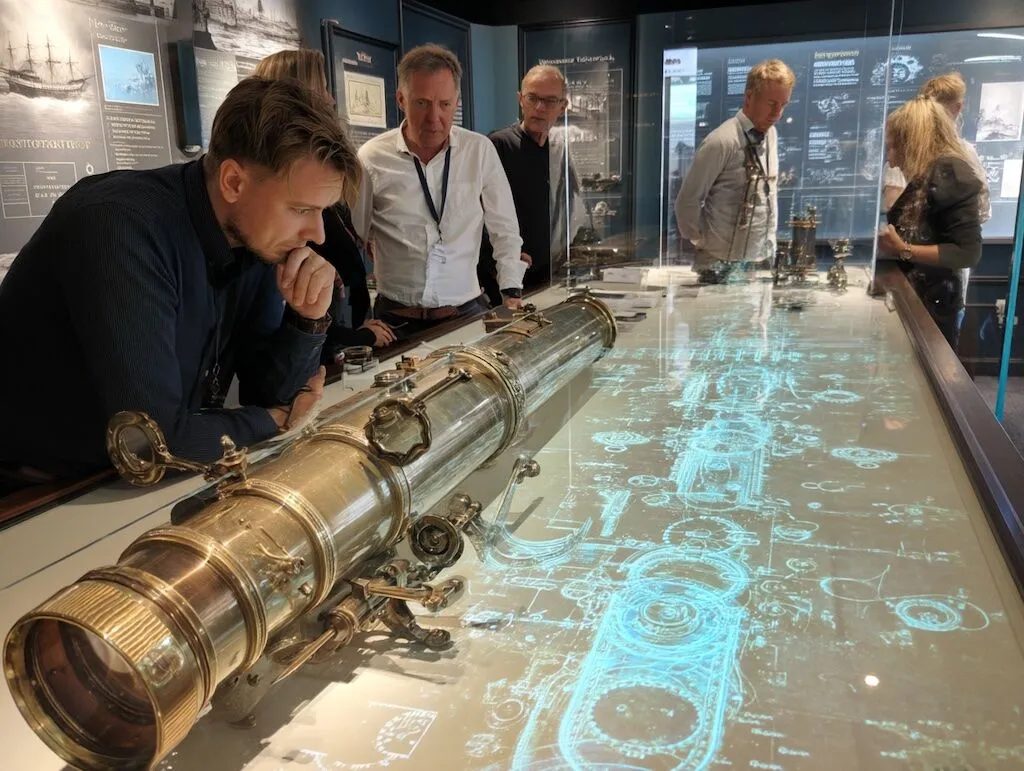
A technology choice should support the interpretive purpose and the way the institution works. The visitor experience, editorial process, support and maintenance deserve the same attention as the feature demonstration.
Practical steps
- Purpose: identify what visitors should understand, feel or be able to do.
- Privacy: define the information required, visitor choices, permissions, retention and data routes.
- Change: plan content updates, compatible replacements and staff responsibilities as part of the design.
5. Multiple interpretive layers
Why it matters
Different visitors absorb information differently. Visitors are mostly used to being able to select the exact information they are interested in using their smart devices; give them an experience that at least provides a similar ability.
Practical steps
- Depth: allow a concise introduction and further material for visitors who want it.
- Media: choose sound, objects, tactile interpretation, video, projection or interaction according to the story and audience.
- Authority: keep the collection and the institution’s approved knowledge at the center of the interpretation.
6. Evaluation and continuous improvement
Why it matters
Adapting to changing visitor expectations is a continual process.
Practical steps
- Evaluation: combine observations with appropriate qualitative and quantitative research.
- Iteration: make approved changes, check their effects and preserve a recoverable configuration.
- Staff: provide training and a practical editorial and support workflow.
- Systems: plan the qualified hardware, software and interfaces needed to keep the experience maintainable.
Conclusion: the role of museums beyond artifacts
The role of museums in society is evolving as fast as the technology that shapes our daily lives. By embracing visitor-centered design, prioritizing inclusivity, incorporating sustainable practices, and remaining open to innovation, museums can continue to excel as vibrant, relevant cultural spaces.
The key is to keep listening, iterating, and daring to break new ground, ensuring that museums remain as dynamic and diverse as the audiences they exist to engage.