CheshireCat®
Recognition and continuity, with visitor choice at the center

CheshireCat® is Mad's recognition and visitor-continuity system. It connects a participating visitor with the language, interests, accessibility settings and other preferences they have chosen, helping each exhibit pick up the experience in the right place. A personalized visit does not require the venue to know the visitor's real name.
The project can use appropriate recognition and context inputs, including optical recognition, RFID or NFC, QR and barcode interactions, beacons and ticket-linked identifiers. The chosen approach defines what is recognized, which preferences it can retrieve and how long that connection lasts. Visitors can receive a coherent experience during one visit or choose continuity as a returning member.
Privacy built into the experience
Privacy begins with collecting and keeping only what the chosen experience needs. CheshireCat® supports local recognition processing and a temporary visitor reference for continuity during a visit. A lasting member record is a separate, opt-in choice. The venue defines the purpose, retention period, permitted uses and deletion process, and the visitor should be able to understand and change those choices.
Recognition and Context Features
A choice of recognition methods
Use the recognition or identifier appropriate to the visitor experience. The project can provide a ticket, token or other interaction where optical recognition is not the chosen route.
Local processing
Recognition can run on venue-controlled hardware. A local configuration keeps its recognition processing and associated visitor context within the venue's defined environment.
Local network operation
The recognition service can operate without an internet connection. Other connected content, voice or support services retain the network dependencies of their own configuration.
An explicit data boundary
Define which systems may receive a recognition result and which information they need. An authorized venue group can be included deliberately; cross-venue sharing is not implied by recognition.
Visit and membership context
Continue language, access preferences and the story during the visit. With permission, a separate member profile can retain selected preferences and progress for a return.
Governed integration
Where WorldModel™ is included, recognition and context use connect with the venue's consent, retention, access and operating rules.
Remember what makes the next moment better.
Just this visit.
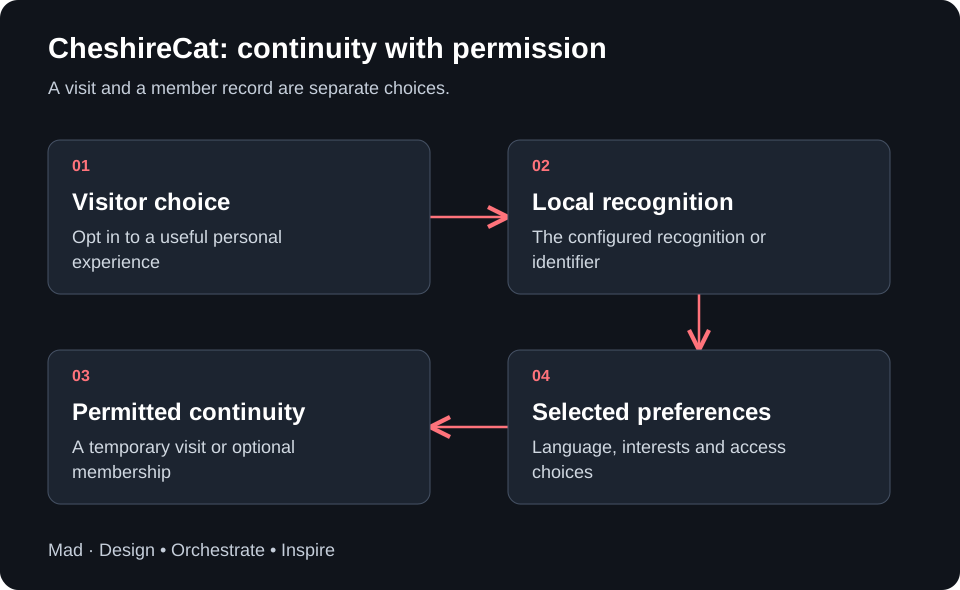
A temporary visitor reference can carry a language, an accessible media preference and the exhibits already explored between participating touchpoints. Its retention is limited to the visit or the defined session period. A permanent identity is not required.
A returning member.
A visitor can opt in to a member record that remembers selected preferences, interests and progress. When that member chooses to be recognized on a later visit, the experience can resume with the context they have allowed to persist. Membership does not require retaining a recording of every interaction.
An authorized group of venues.
Where a group offers a shared visitor experience, continuity can be designed across those venues with the visitor's permission. The participating venues, the information shared and the retention period are defined explicitly. Recognition at one venue does not automatically authorize another venue to receive the profile.
Each option includes a clear way to review, change or withdraw the relevant permission and to request removal of the retained profile. The project specification makes those choices operational.
Local recognition. A wider privacy architecture.
CheshireCat® connects naturally with Alice® personal media and avatar experiences. Mad also demonstrates Alice with a local large language model. Together, local recognition and local intelligence support the transition toward keeping sensitive visitor and venue information inside a defined venue or authorized venue-group boundary.
The complete experience follows the same rules: who may receive context, which services process it, how long it is retained and what happens when permission changes. The venue's implementation brings these requirements together across recognition, content, speech, avatars and any external integrations.
Recognition with a purpose and permission.
Optional recognition can connect a participating guest with Alice content and remembered preferences.
Explore personal storytelling ↗TECHNICAL DETAILContinuity without a permanent member profile.
Open the engineering detailClose this sectionLook for the red circuit symbol for engineering detail.
Illustrative visit: a person selects Spanish and a shorter narration and uses the configured ticket or recognition path. Participating exhibits receive the permitted preference and progress needed for their next presentation. They do not need a public name to make those selections useful.
The project establishes the temporary identifier, recognition method, session end, withdrawal path and handling of unavailable recognition. Keeping selected preferences for a future visit requires the separate member choice described above. The supported recognition configuration and interfaces are confirmed for the demonstration or installation.
DISCUSS VISITOR CONTINUITY
What should the next exhibit remember?
Bring us the visitor choices you want to carry, the recognition methods you are considering and the privacy boundary you need. We can define a temporary visit, optional membership or an explicitly authorized group of venues. Discuss recognition and continuity with Mad.
ENGINEERING DETAILSpecify it: CheshireCat® configuration.
Open the engineering detailClose this section
| Parameter | Specification scope |
|---|---|
| Processing | Local recognition on venue-controlled hardware in the selected configuration. |
| Inputs | The agreed optical recognition or identifier. Tickets, tokens or another interaction can provide an alternative visitor route. |
| Visit continuity | A temporary visitor reference connects the permitted preferences with participating experiences. |
| Membership | A separate opt-in record can retain selected preferences, interests and progress for later visits. |
| Retention and permissions | The venue specifies the purpose, duration, permitted uses, access and deletion process. A persistent member profile is not required for a temporary visit. |
| Integration | Specified Alice, Lory and WorldModel interfaces connect recognition with content and governance. Acceptance includes consent, withdrawal, session end and unavailable recognition. |